The Old Money Aesthetic Is Evolving—Here’s What Comes Next (and How to Actually Dress for It)

Notably Dressed is part of several affiliate programs, so we may earn a small commission if you shop through the links in this post — at no extra cost to you. We only share pieces we genuinely love. Privacy Policy
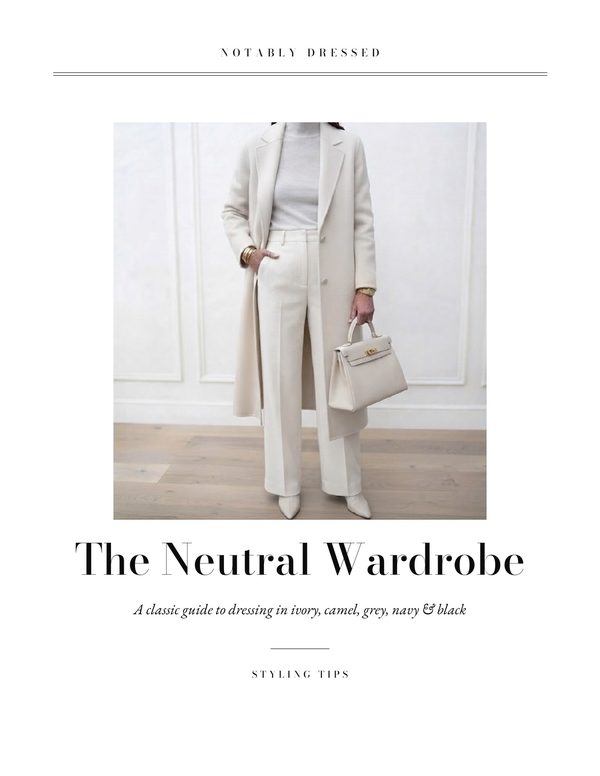
For a while, the “old money” aesthetic felt like the answer to everything. It was clean, controlled, and quietly aspirational—tailored blazers, neutral palettes, polished basics, and an overall sense that nothing was accidental. It wasn’t loud, and that was the point.
But if you’ve been paying attention, something has shifted.
What once felt effortless has started to feel…slightly over-rehearsed. The formulas are too recognizable. The outfits, while still beautiful, can blur together. And in a world where everyone has access to the same inspiration, the definition of “elevated” is changing again.
The new version of the old money aesthetic isn’t disappearing—it’s evolving. It’s becoming softer, more dimensional, and far more personal.
It’s less about looking like you belong to a certain world—and more about looking like you understand how to build one.
If you want to stay ahead of this shift (instead of chasing it), here’s what’s changing—and exactly how to adjust your wardrobe.
The Shift: From Perfection to Precision
The original aesthetic thrived on perfection. Crisp collars. Structured layers. Impeccable tailoring.
Now, perfection is being replaced with precision.
Precision is quieter. It’s less about everything matching perfectly and more about each piece feeling intentional. You might still wear tailored trousers—but paired with something softer. You might still layer neutrals—but with subtle contrast in texture.
The outfit doesn’t look styled. It looks considered.

The New Rule: Effortless Has to Feel Real
There’s a subtle but important distinction between looking effortless and looking like you’re trying to look effortless.
The earlier version of this trend sometimes crossed that line—outfits were so polished they felt almost staged.
Now, the goal is believability.
Slightly undone hair. Layers that aren’t perfectly placed. Pieces that feel worn-in, not just worn.
The aesthetic is still elevated—but it no longer looks like it took hours to achieve.
How to Dress for the New Old Money Aesthetic
Instead of following a rigid formula, think in terms of principles. These tips will help you build outfits that feel current, refined, and quietly distinctive.
1. Balance Structure With Softness
If everything in your outfit is structured, it can feel stiff. If everything is soft, it can feel too relaxed.
The key is contrast.
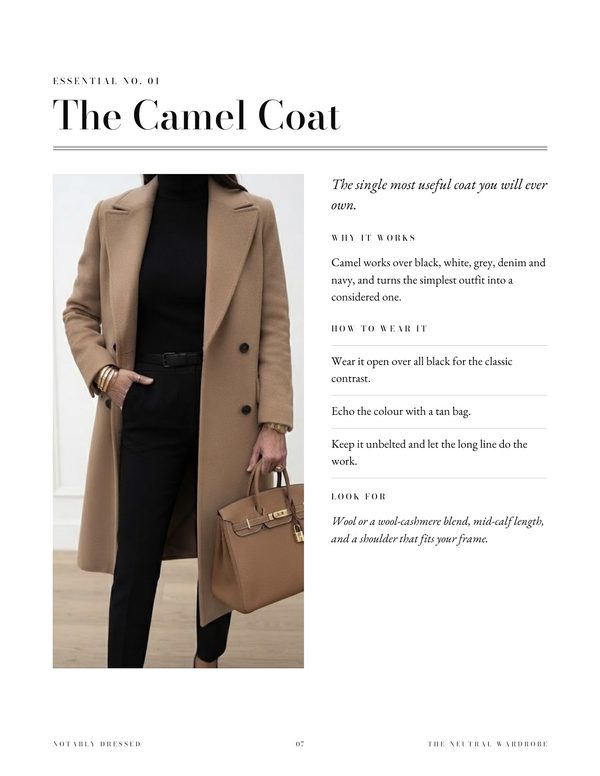
Pair tailored pieces with something lighter or more fluid. For example, structured outerwear layered over delicate or minimal basics creates a balance that feels modern.
This is where layering becomes important—not just adding pieces, but choosing pieces that offset each other.

2. Focus on Texture Over Trend
Logos and obvious trends are fading further into the background. What replaces them is texture.
Texture is what makes a neutral outfit interesting. It’s what gives depth to simplicity.
Think:
- Smooth vs. soft
- Matte vs. slightly luminous
- Structured vs. draped
Even within a monochromatic outfit, texture creates quiet variation that elevates the entire look.
3. Refine Your Color Palette (Without Limiting It)
Neutrals still anchor the aesthetic—but they’re no longer limited to black, white, and beige.
The updated palette leans warmer and more dimensional:
- Cream instead of stark white
- Chocolate instead of flat black
- Soft taupe, muted olive, pale butter tones
You don’t need more color—you need better color.
The goal is cohesion, not restriction.
4. Let One Piece Lead the Outfit
Instead of building an outfit where everything competes for attention, let one piece set the tone.
This could be:
- A beautifully cut jacket
- A delicate top
- A refined accessory
Everything else should support it.
This approach instantly makes your outfit feel more intentional and less overstyled.

5. Keep Accessories Minimal—but Meaningful
Accessories are no longer about completing an outfit—they’re about finishing it.
Instead of layering multiple bold pieces, choose one or two that feel consistent with your style.
Jewelry, especially, should feel like something you wear often—not something you added at the last minute.
Consistency creates identity.
6. Prioritize Fit Over Quantity
You don’t need more clothes—you need better-fitting ones.
The difference between an average outfit and an elevated one is often just tailoring.
Pay attention to:
- Shoulder structure
- Sleeve length
- Where hems fall
Even the simplest pieces look refined when they fit well.
7. Embrace Slightly Undone Styling
Perfectly tucked shirts, perfectly pressed layers, perfectly aligned accessories—it can all feel a bit too controlled.
The updated aesthetic introduces a slight ease:
- A half-tucked top
- Sleeves gently pushed up
- Layers that move naturally
It’s subtle, but it changes the entire tone of the outfit.
8. Invest in Transitional Pieces
The new old money wardrobe is less about statement pieces and more about versatile ones.
Pieces that move across seasons, occasions, and settings.

Lightweight layers, adaptable outerwear, and refined basics are doing more of the work.
The goal is to build a wardrobe where everything connects.
9. Think in Outfits, Not Items
Instead of buying individual pieces, think about how they integrate into your existing wardrobe.
Ask:
- What will I wear this with?
- Does this add something new—or duplicate what I already have?
This mindset prevents overconsumption and leads to a more cohesive style.
10. Choose Quality You Can Feel
The new direction of this aesthetic is tactile.
It’s not just about how something looks—it’s about how it feels when you wear it.
Soft knits, breathable fabrics, well-constructed layers—these details aren’t always visible, but they’re noticeable.
And that’s where the real elevation happens.
Where Your Key Pieces Fit In
As you refine your wardrobe, certain pieces naturally align with this shift. Instead of forcing them into outfits, let them enhance the principles above.
A simple gold ring becomes part of your everyday identity—subtle, consistent, and quietly polished.
A chic cropped trench introduces structure without heaviness, giving your outfit shape while still feeling current and wearable.
A lace cami softens the overall look, adding a delicate contrast that keeps tailored pieces from feeling too rigid.
A lightweight cashmere cardigan brings everything together—easy, refined, and endlessly versatile.
Each piece plays a role, but none of them overpower the look. That’s the point.
The Mindset Behind the Aesthetic
More than anything, this evolution is about mindset.
It’s about moving away from the idea of dressing to impress—and toward dressing with intention.
You’re not trying to prove anything.
You’re not following a strict formula.
You’re not recreating someone else’s look.
You’re refining your own.
What Comes Next
The old money aesthetic isn’t going anywhere—but it will continue to soften.
Expect:
- More fluid silhouettes
- More layered textures
- More individuality within a classic framework
Less uniformity. More nuance.
Because true style has never been about looking identical—it’s about understanding what works, and evolving it over time.
The Takeaway
If the first wave of the old money aesthetic was about control, this next phase is about ease.
It’s still polished. Still elevated. Still timeless.
But now, it feels real.
And that’s what makes it last.